


















Why Is Proper Gear So Important For Annapurna Circuit Treks
Discover why proper gear is essential for the Annapurna Circuit trek—from weather protection and sturdy footwear to sleeping bags and smart packing—to ensure safety, comfort, and an unforgettable high-altitude adventure.

Why Is Proper Gear So Important For Annapurna Circuit Treks
The Annapurna Circuit Trek is tough and takes you through all kinds of landscapes, from lush forests to snowy mountain trails. Having the right gear isnt just about comfort; its crucial for your safety and overall experience. Without good equipment, even a beautiful trek can become a real challenge.
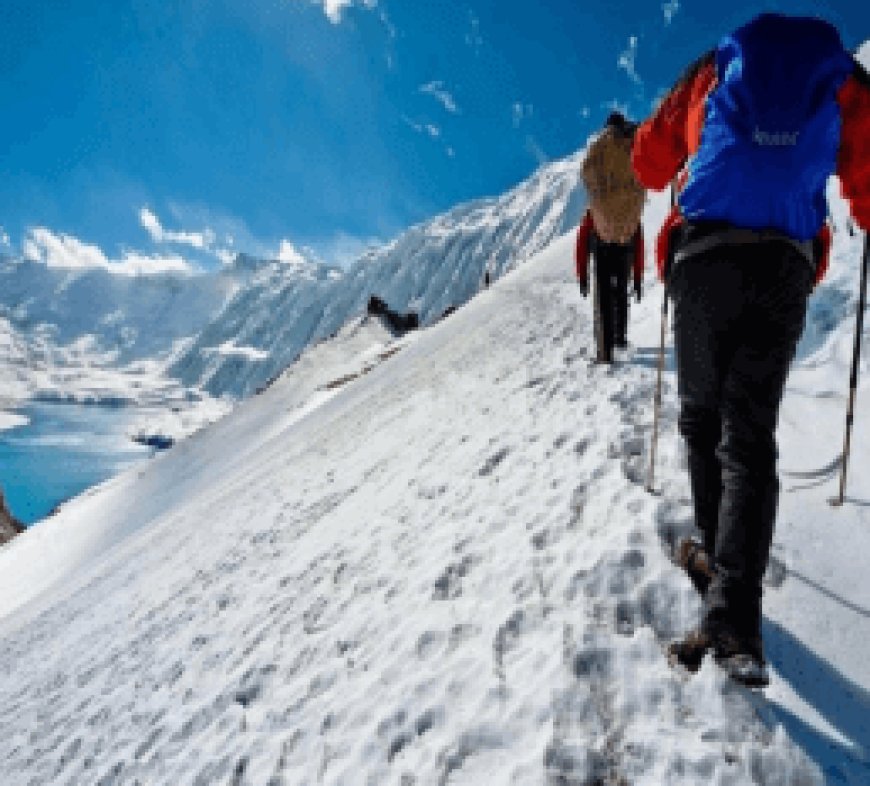
The weather in the Himalayas can change fast, especially at high elevations like Thorong La Pass (5,416 meters). A good layering system with a base layer, insulating layer, and a waterproof shell helps keep you warm and protected from the wind, rain, and sudden cold. Wearing the wrong clothes can lead to serious issues like hypothermia or altitude sickness.
Footwear is super important too. Solid, broken-in trekking boots with good ankle support can save you from blisters and slips on rough terrain. Using quality trekking poles can take some pressure off your knees and help with balance when going up or down steep paths.
Make sure to pack essentials like a warm sleeping bag (ideally rated for at least -10C), a headlamp, and water purification tablets to keep your trip safe and comfortable. Teahouses at high altitudes often dont offer enough bedding or warmth, so a good sleeping bag is a must.
Staying hydrated and fueled is also key, so bring along insulated water bottles and energy snacks, plus a basic first-aid kit that includes altitude meds.
Finally, pack smart. You want to carry what you need but not overload yourself. A well-fitting backpack, moisture-wicking clothes, and quick-drying layers will help keep your load lighter and easier to handle.
In short, having the right gear is essential on the Annapurna Circuit. It keeps risks low, boosts your comfort, and lets you enjoy the stunning views and rich culture rather than stressing about avoidable problems. Good prep can make all the difference between a successful trek and having to cut it short.
Getting to Know the Annapurna Circuit Environment
The Annapurna Circuit is a mix of different environments, from lush forests to high mountain areas with passes over 5,000 meters. This variety means trekkers will notice big changes in temperature, terrain, and oxygen levels in just a few days. Lower areas are warm and humid, filled with rich vegetation and lively villages, while up high, it gets cold, dry, and rocky. The shift in altitude can raise the chances of altitude sickness, so it's important to take your time to adjust. By understanding this environment, trekkers can get ready for changes in temperature, limited plant life, and unpredictable weather. It also means being respectful of local ecosystems and cultures. Knowing what youre up against physically and nature-wise can make your trek safer and more enjoyable.
The Weather Challenges
The weather in the Annapurna area can be very unpredictable, especially in spring and autumn. You might start your day with sunny skies only to face sudden snow, rain, or strong winds later. This unpredictability affects trail conditionsmuddy or icy paths can be slippery and lead to injuries. Temperatures can also swing dramatically from warm to freezing. Knowing this helps trekkers pack gear like waterproof jackets, warm layers, and sturdy shoes. Being ready for changes in the plan or delays is important. Keeping an eye on local weather updates and staying flexible with your itinerary is a must. With the right gear and preparation, you can stay warm, dry, and safe regardless of the weather.
Safety at High Altitudes
Trekking at high altitudes on the Annapurna Circuit can be tough, especially at passes like Thorong La, which is over 5,400 meters high. The air up there has less oxygen, raising the risk of altitude sickness, which can range from headaches to serious conditions like HAPE or HACE. Its vital to take your time to adjust by climbing slowly and taking breaks. Staying hydrated, eating well, and avoiding alcohol also help. Trekking with an experienced guide who can spot symptoms and react quickly is key. Bringing necessary medications, like Diamox, and having a solid emergency plan can make a big difference in safety. Grasping these risks and taking them seriously is important for a safe trek.
Choosing the Right Clothing
When trekking the Annapurna Circuit, your clothing should keep you warm, breathable, and protected from the elements. Base layers should wick away moisture to keep you dry and warm. Insulating layers, like fleece or down jackets, trap heat during the chilly mornings and nights. Waterproof and windproof outer layers will shield you from rain, snow, and strong winds, which are common at high altitudes. Quick-drying materials are key since youll sweat, and the weather can be wet. Accessories like hats, gloves, and neck gaiters are great for keeping warm. Layering your clothes allows you to adjust throughout the day. Wearing the right clothing keeps you comfortable, helps prevent hypothermia, and allows for safer trekking.
The Importance of Good Footwear
Having good shoes is essential on the Annapurna Circuit because the terrain varies from rocky paths to muddy trails and even some snow or ice. Sturdy trekking boots that support your ankles decrease the chances of sprains and provide stability on uneven surfaces. Shoes that are waterproof keep your feet dry during rain or river crossings and help you avoid blisters. Breathable boots are important too, to prevent sweating. It's best to wear in your boots before your trek to avoid blisters. The right footwear gives you better balance and traction, which is key for navigating steep trails. Investing in good boots keeps you comfortable and reduces the risk of injury, making the trek more enjoyable.
Sleeping Gear Matters
Having the right gear for sleeping is really important on the Annapurna Circuit, where it can get very cold at night, especially above 3,000 meters. A good sleeping bag rated for cold weather will keep you warm when lodges only have basic blankets. An insulated sleeping mat will add comfort and warmth from cold floors. Bringing earplugs and eye masks can help block noise and light for better sleep, especially in busy places. Moisture-wicking sleepwear can help you stay warm overnight. Getting enough rest is important for recovery and adjusting to the altitude. Bringing your gear can improve hygiene and help you sleep better, making the trek easier and more enjoyable.
Choosing the Right Backpack and Packing Smart
A good backpack and smart packing can help your Annapurna Circuit experience. A backpack around 4060 liters is great for carrying what you need without feeling heavy. A good fit with padded straps and a waist belt makes it easier to carry. Keeping your gear organized in waterproof bags or compression sacks keeps everything dry and easy to reach. Only packing what you need can help reduce weight and prevent injuries. Keeping heavier items close to your back and low on your hips helps with balance on rough trails. Its also smart to leave space for any souvenirs or extra clothes. Thoughtful packing can improve comfort and efficiency, letting you move steadily throughout your trek.
How the Right Gear Helps Avoid Injuries
Using the right gear can help prevent common trekking injuries like blisters, muscle strains, hypothermia, and falls. Moisture-wicking socks and well-fitted boots help prevent blisters. Trekking poles can reduce pressure on your joints and improve balance, which lowers the risk of falls. Layered clothing helps keep your body temperature steady and avoids hypothermia. Having a well-packed first-aid kit allows you to treat minor issues before they get worse. Staying hydrated helps prevent cramps and fatigue. Overall, having the right gear makes it easier to handle challenges, helps avoid accidents, and lets you respond quickly if something goes wrong, making your trek safer and more enjoyable.
Managing Weight While Staying Safe
Carrying a heavy backpack can slow you down and tire you out, but cutting out important gear can be risky. To manage weight, prioritize lightweight, multi-use items. For example, a down jacket that packs easily and keeps you warm, or a combined water filter and storage system, saves space. Avoid packing things you dont need. Distributing weight wellkeeping heavier items close to your backcan help with balance. Dont cut corners on essential safety gear, like first aid kits or weatherproof clothing. The goal is to have enough for safety and comfort while staying mobile. Smart packing keeps you light on your feet without losing vital protection.
Selecting and Testing Trekking Gear Before Your Trip
Choosing the right trekking gear means doing your homework and testing things out before you hit the Annapurna Circuit. Start by reading tips and experiences from others who have trekked there. Try on boots, backpacks, and clothes in stores to find what fits best. Break in your boots with short hikes to avoid blisters. Test your sleeping bag in cooler places to ensure it keeps you warm. Practice using trekking poles and pack your bag efficiently. Check your gear, like water filters and headlamps, to make sure they work well under different conditions. Trying out your gear in advance helps avoid surprises on the trail. When youre familiar with your gear, youll feel more confident and can focus on enjoying the trek.
How fit do you need to be for the Annapurna Circuit?
To tackle the Annapurna Circuit, it's best to have at least a decent level of fitness. The trek involves long daysabout 5 to 7 hourswalking on steep and uneven ground at high altitudes. You need good stamina and leg strength for those uphill climbs and tough sections like Thorong La (5,416m). But dont worry; you dont have to be a top athlete. If you train consistently through hiking, cardio, and strength workouts for a couple of months before you go, youll be in good shape. Being fit can help you avoid getting worn out or dealing with altitude sickness, making the trek more enjoyable.
What are the highlights of trekking in the Annapurna region?
The Annapurna region is super diverse, with everything from lush jungles and terraced farms to stunning mountain views. One of the standout spots is Thorong La Pass, one of the highest trekking passes out there. You'll also get to experience different cultures, with villages influenced by Gurung, Thakali, and Tibetan backgrounds, along with ancient monasteries and local markets. Plus, the area has hot springs and incredible views of mountains like Annapurna, Dhaulagiri, and Machapuchare. It mixes nature, culture, and adventure in a way that few other places do.
How to get ready for the Annapurna Circuit trek?
Getting ready means focusing on physical training, picking the right gear, and planning your trip. Start a fitness routine centered on cardio, strength, and hiking at least two months in advance. Do your research to buy good trekking gear that can handle the changing weather and tough trails. Be sure to learn about altitude sickness and make sure your travel insurance covers trekking emergencies. Don't forget to get the necessary permits like TIMS and ACAP. Plan your itinerary with enough time for acclimatization and rest. It helps to know a bit about local culture and some basic Nepali phrases. Lastly, pack wisely and be ready for changes in weather and conditions.
Do you need a guide for the Annapurna Circuit trek?
Yes, recent rules state that you need to hire a licensed Annapurna Base Camp Trek Guide for trekking in some areas of Nepal, including the Annapurna Circuit. Guides help keep you safe by navigating the trails and assisting if you face altitude sickness or any emergencies. They also share cultural insights and help with logistics like permits and places to stay. Even if its not strictly required for your route, having a guide is a good idea, especially for those new to trekking or high-altitude hikes. Guides can enhance your experience and support local communities.