



















Why Engineers Recommend Beam Jacketing for Retrofitting
Discover why Beam Jacketing is the top choice for retrofitting in India—boost strength, prevent damage, and extend building life affordably

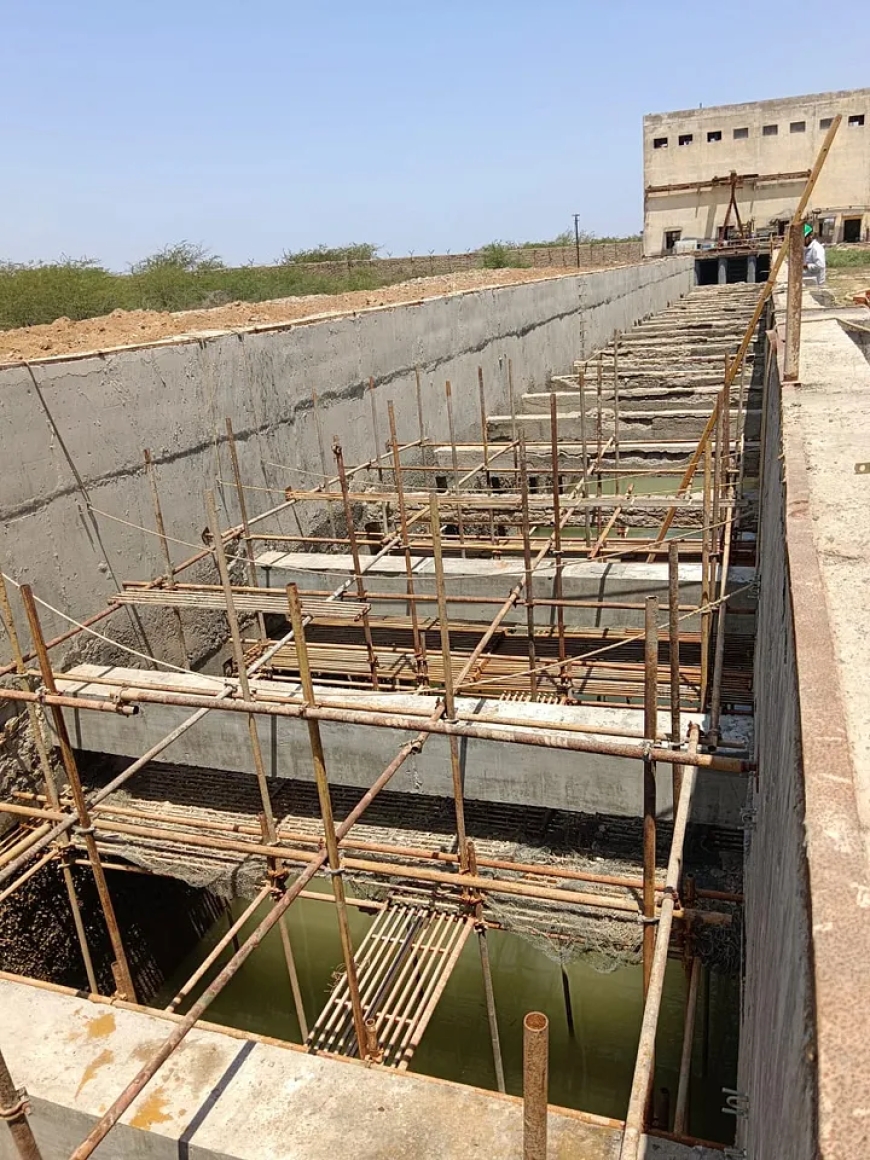
In India, many commercial buildings are ageing or facing increased loads due to usage changes. Traditional repairs are not always enough to restore their structural capacity. Replacing beams is often not practical or affordable. That's why engineers suggest Beam Jacketing as a service-preventive solution. It strengthens existing members, avoids disruption, and restores safety. This approach is ideal for Indian property owners looking to preserve buildings cost-effectively.
What Is Beam Jacketing?
One technique for increasing the load-bearing capability of concrete beams is beam jacketing. It entails encircling the old beam with a fresh coating of steel and concrete. Strength, durability, and resistance to deflection or breaking are all enhanced by this jacket. Beam jacketing serves as an essential preventive measure in seismic zones or on older commercial buildings. Building owners can save time and money by ensuring structural stability without having to replace the entire structure.
Why Retrofit Instead of Rebuild?
Rebuilding is frequently costly and disruptive. Demolition of commercial buildings in cities entails permits, noise, and downtime. These inconveniences can be avoided by retrofitting with beam jacketing. It enables companies to stay open while fortifying the structure. Additionally, retrofitting maintains the original design. For viewers in India, this is a more practical choice. For structures that exhibit wear but still have a strong structural base, engineers frequently advise doing this.
How Beam Jacketing Works: The Process
The first step of the process is to prepare the old beam's surface. Corrosion is addressed, and loose concrete is eliminated. When necessary, steel reinforcement is added or cleaned. After applying a bonding agent, the beam is surrounded by formwork. After that, the mould is filled with concrete or micro-concrete. The formwork is removed once it has cured. When done correctly, beam jacketing offers durability and long-term performance.
Signs That Indicate Beam Jacketing Is Needed
It is important to pay attention to early indicators of structural problems. These consist of rust streaks, sagging, or cracks running the length of the beams. Distress can also be indicated by peeling concrete, exposed steel, or water leaks. Seismic activity and monsoon moisture make India more vulnerable. Engineers frequently recommend beam jacketing as a prompt and preventative solution when these symptoms arise. Early action can guarantee occupant safety and avoid expensive failures.
Advantages of Beam Jacketing Over Patch Repairs
Patch repairs just address superficial problems; they don't rebuild strength. Beam jacketing, on the other hand, completely enhances structural performance. It adds reinforcement and expands the cross-section of the beam. A stronger composite member is produced when the new layer adheres to the old beam. Additionally, this method strengthens tolerance to environmental stress. Such long-lasting and preventive solutions are beneficial for Indian business areas, particularly multi-story structures.
Best Practices for Effective Beam Jacketing
High-quality materials and careful application are necessary for effective jacketing. Before beginning the process, engineers advise doing a thorough assessment. It is necessary to take site conditions, beam dimensions, and load history into account. It is important to design the concrete mix for high strength and flow. Inspection and curing must be done correctly. Expert contractors make sure that safety regulations are followed at every stage. A beam's lifespan can be increased by decades with proper beam jacketing.
Importance of Beam Jacketing in Earthquake-Prone Zones
Unstrengthened beams can sustain significant damage from seismic action. Many areas of India are located in seismic zones that range from moderate to high. It is essential to retrofit buildings in these places. Beam jacketing helps beams absorb shocks by adding lateral strength and flexibility. It guarantees that the building can sustain shocks without breaking or falling. Engineers frequently use this technique into their earthquake-resistance plans for safety compliance.
Combining Beam Jacketing With Other Strengthening Methods
Beam jacketing is frequently used in conjunction with carbon fibre wrapping and column jacketing. The total structural integrity is improved by this combination approach. Slab-beam-column systems, for example, function better when all of the parts are strengthened together. To identify the optimal combination of solutions, engineers assess the overall structure. Beam jacketing provides long-term piece of mind when paired with corrosion protection or waterproofing.
How Waterproofing Enhances the Effectiveness of Jacketing
One of the biggest threats to concrete constructions is water. Steel corrodes due to moisture, which results in internal fracture. This risk is increased in India by monsoon-induced moist weather and inadequate drainage. For this reason, it seems sense to combine waterproofing with beam jacketing. It shields the fresh layer from harm in the future. Water intrusion is prevented by coatings, membranes, or injection grouts. Years of durability are guaranteed by this dual-layer protection.
Beam jacketing is not a recommendation made at random by engineers. It's a tried-and-true approach supported by field success and structural science. Instead of masking symptoms, it tackles the underlying issues. This approach is both preventive and useful in India, where usage and weather cause additional stress on buildings. Beam jacketing prolongs the building's functional life, lowers expenses, and maintains safety. This is a solution that anyone considering retrofitting should give top priority to.