


















What’s the Difference Between Skimming and Plastering?
When it comes to wall and ceiling finishes, the terms skimming and plastering are often used interchangeably — but they’re not quite the same. Understanding the difference

When it comes to wall and ceiling finishes, the terms skimming and plastering service in Bristol are often used interchangeably but theyre not quite the same. Understanding the difference can help you choose the right service for your home renovation or repair project.
At Plasterer Bristol, we often get asked: Do I need skimming or plastering? In this blog, well explain both techniques, when theyre used, and what sets them apart.
What Is Plastering?
Plastering is the process of applying a protective and decorative layer over internal or external surfaces such as brick, blockwork, or stone. It generally involves applying one or more coats of a plaster mix directly onto the substrate to create a flat, solid surface.
Types of Plastering:
-
Base coat plastering: The first layer (often called bonding plaster or undercoat), which levels out uneven surfaces.
-
Finish coat plastering: A smooth top layer thats applied after the base coat, ready for painting or wallpapering.
When is plastering used?
Plastering is typically used on:
-
New builds with bare block or brick walls
-
Extensions or property renovations
-
Areas where old plaster has been completely removed
-
Structural repairs needing full replastering
At Plasterer Bristol, our team uses high-quality materials and tried-and-tested methods to ensure long-lasting results, whether you're working on a new home or a period property.
What Is Skimming?
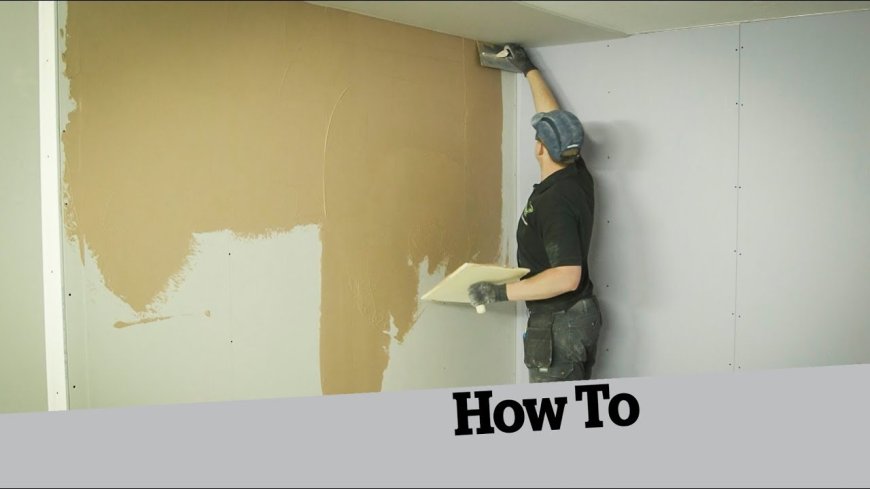
Skimming is a finishing technique that involves applying a very thin layer (usually 23mm) of finishing plaster over existing plaster or plasterboard. The goal is to create a smooth, even surface thats paint-ready.
Its often called a re-skim or skim coat and is ideal when your walls or ceilings are in reasonably good condition but just need freshening up.
When is skimming used?
-
To refresh tired or uneven surfaces
-
Over plasterboard in new builds or extensions
-
After wallpaper removal
-
As a finishing layer over a previous base coat
-
To cover Artex ceilings
Skimming is quicker, less labour-intensive, and more cost-effective than full plastering perfect when your structure is sound, and you just want a clean finish.
Key Differences Between Plastering and Skimming
| Feature | Plastering | Skimming |
|---|---|---|
| Thickness | Thicker (includes base + finish) | Thin (23mm finish coat only) |
| Purpose | To build up and level rough surfaces | To smooth existing surfaces |
| Application area | On bare brick/block or damaged walls | On plasterboard or previously plastered walls |
| Time & Cost | More time-consuming and expensive | Quicker and more cost-effective |
| Use case | New builds or major refurbishments | Cosmetic updates or light renovations |
Which Do You Need?
If your walls are in poor condition or youre working with bare brick/blockwork, plastering is your best bet. It provides a solid foundation and improves insulation and soundproofing.
If your surfaces are generally sound but look tired, skimming is ideal for refreshing them without the mess or cost of full plastering.
Still unsure? At Plasterer Bristol, we offer free consultations and honest advice to help you make the right choice for your property.
Why Choose Plasterer Bristol?
-
? Experienced and fully qualified plasterers
-
? Specialist in both skimming and full plastering
-
? Domestic and commercial projects
-
? Clean, reliable, and always on time
-
? Competitive pricing with no hidden costs
Were trusted across Bristol for our attention to detail and friendly service. From single rooms to whole properties, our team is here to help.