















The Ultimate Guide to Buy Pure Honey Online Without Getting Scammed
Discover the ultimate guide to buying pure honey online. Learn how to avoid fake products, spot high-quality raw honey, and choose trusted sources.

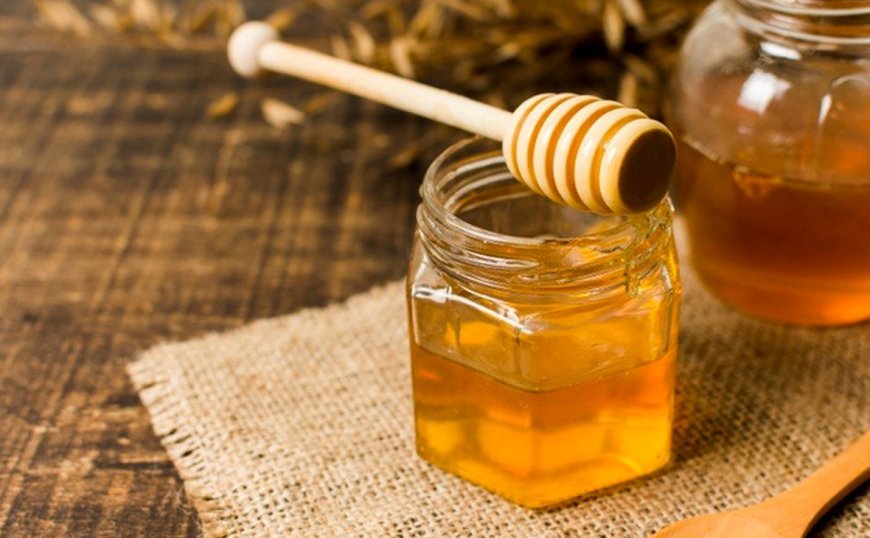
As the popularity of natural health products grows, so does the demand for pure honey. Whether you're seeking raw honey for its health benefits or premium varieties like Manuka or Yemen Sidr, buying honey online can be incredibly convenient. However, the internet is also filled with fake, diluted, and mislabeled honey that can mislead consumers and pose health risks.
This guide will walk you through everything you need to know to buy pure honey online safely, avoid scams, and ensure youre getting authentic, high-quality honey every time.
Why Purity Matters in Honey
Pure honey, especially when raw and unprocessed, is packed with nutrients, enzymes, antioxidants, and antibacterial properties. It supports immunity, digestive health, and even skin repair.
Fake or adulterated honey, on the other hand, may be mixed with:
-
Glucose, corn syrup, or sugar
-
Artificial flavors or colorings
-
Water or starch to increase weight
-
Contaminants from unregulated processing
Buying impure honey not only robs you of health benefits but can also introduce harmful substances into your diet.
1. Know the Types of Pure Honey
When shopping online, you'll come across a wide range of honey types. Here are some of the most trusted and beneficial:
-
Raw Honey: Minimally filtered and unheated. Best for preserving enzymes and nutrients.
-
Manuka Honey: A medicinal-grade honey from New Zealand with strong antibacterial properties, rated by MGO or UMF levels.
-
Yemen Sidr Honey: One of the most expensive and premium raw honeys in the world, known for its thick texture and healing benefits.
-
Wildflower Honey: Harvested from multiple wild plants, offering a wide range of antioxidants and flavors.
Understanding what you're buying is the first step toward avoiding fake products.
2. Check for Certifications and Lab Testing
Reputable honey brands provide:
-
Third-party lab test reports for purity, MGO/UMF ratings (in case of Manuka), and pollen content
-
Certifications from recognized bodies such as ISO, USDA Organic, or national food safety authorities
-
Batch numbers or traceability tools that link your jar to its source
If a brand makes health or purity claims but offers no transparency, thats a red flag.
3. Understand Labeling Terms (and Red Flags)
Labels can be misleading. Here's what to watch for:
What you want to see:
-
Raw, Unpasteurized, or Unfiltered
-
Floral source (e.g., Sidr, Acacia, Clover)
-
Country of origin and harvest method
-
UMF/MGO ratings (for Manuka)
Avoid if you see:
-
Honey blend may include added sugar or syrup
-
Natural without any clarity not a regulated term
-
Extremely low price a strong sign of adulteration
-
Overly processed appearance clear, runny, and always the same color
4. Buy From Trusted and Transparent Brands
Choose online stores or sellers with:
-
Strong customer reviews and testimonials
-
Clear product sourcing information
-
An informative website that explains their harvesting and testing process
-
Return/refund policies in case of issues
Examples of reputable honey sellers include brands that source directly from beekeepers, emphasize ethical harvesting, and offer specialty honey such as Manuka, Yemen Sidr, or Himalayan wild honey.
5. Check the Texture, Color, and Taste (When It Arrives)
Once your honey arrives, examine it:
-
Raw honey may appear cloudy and crystallize over timethis is natural.
-
It should have a rich, layered taste, not overly sweet like syrup.
-
Texture should be thick, not watery.
Crystallization is often a sign of purity, while clear and runny honey may be overly processed.
6. Watch Out for Common Online Scams
-
Unrealistic discounts on premium varieties like Manuka or Sidr
-
Fake seller profiles on marketplaces with limited or no reviews
-
Lack of contact information on websites
-
Overly generic or stock product photos
Stick to sellers with a real online presence, verified reviews, and traceable product lines.
7. Compare Price With Market Standards
If the price seems too good to be true, it probably is. For example:
-
Manuka Honey (MGO 250+) typically ranges from $30 to $100+ per jar
-
Yemen Sidr Honey is among the worlds most expensive and starts around $70 for 250g
Be cautious of cheap imitations or heavily discounted "premium" honey.
8. Read Real Customer Feedback
Check third-party review platforms, social media, and forums. Look for feedback on:
-
Taste and texture
-
Product authenticity
-
Packaging and delivery
-
Customer service response
Avoid sellers with poor ratings, vague reviews, or unverified testimonials.
Final Thoughts
Buying pure honey online can be easy, convenient, and rewardingbut only if you know what to look for. By understanding honey types, verifying seller authenticity, and checking labels and lab tests, you can avoid scams and enjoy the full benefits of truly raw, pure honey.
Whether you're looking for daily wellness, natural remedies, or premium gifts, make sure your honey comes from a trusted source that values quality, sustainability, and transparency.
As the popularity of natural health products grows, so does the demand for pure honey. Whether you're seeking raw honey for its health benefits or premium varieties like Manuka or Yemen Sidr, buying honey online can be incredibly convenient. However, the internet is also filled with fake, diluted, and mislabeled honey that can mislead consumers and pose health risks.
This guide will walk you through everything you need to know to buy pure honey online safely, avoid scams, and ensure youre getting authentic, high-quality honey every time.
Why Purity Matters in Honey
Pure honey, especially when raw and unprocessed, is packed with nutrients, enzymes, antioxidants, and antibacterial properties. It supports immunity, digestive health, and even skin repair.
Fake or adulterated honey, on the other hand, may be mixed with:
-
Glucose, corn syrup, or sugar
-
Artificial flavors or colorings
-
Water or starch to increase weight
-
Contaminants from unregulated processing
Buying impure honey not only robs you of health benefits but can also introduce harmful substances into your diet.
1. Know the Types of Pure Honey
When shopping online, you'll come across a wide range of honey types. Here are some of the most trusted and beneficial:
-
Raw Honey: Minimally filtered and unheated. Best for preserving enzymes and nutrients.
-
Manuka Honey: A medicinal-grade honey from New Zealand with strong antibacterial properties, rated by MGO or UMF levels.
-
Yemen Sidr Honey: One of the most expensive and premium raw honeys in the world, known for its thick texture and healing benefits.
-
Wildflower Honey: Harvested from multiple wild plants, offering a wide range of antioxidants and flavors.
Understanding what you're buying is the first step toward avoiding fake products.
2. Check for Certifications and Lab Testing
Reputable honey brands provide:
-
Third-party lab test reports for purity, MGO/UMF ratings (in case of Manuka), and pollen content
-
Certifications from recognized bodies such as ISO, USDA Organic, or national food safety authorities
-
Batch numbers or traceability tools that link your jar to its source
If a brand makes health or purity claims but offers no transparency, thats a red flag.
3. Understand Labeling Terms (and Red Flags)
Labels can be misleading. Here's what to watch for:
What you want to see:
-
Raw, Unpasteurized, or Unfiltered
-
Floral source (e.g., Sidr, Acacia, Clover)
-
Country of origin and harvest method
-
UMF/MGO ratings (for Manuka)
Avoid if you see:
-
Honey blend may include added sugar or syrup
-
Natural without any clarity not a regulated term
-
Extremely low price a strong sign of adulteration
-
Overly processed appearance clear, runny, and always the same color
4. Buy From Trusted and Transparent Brands
Choose online stores or sellers with:
-
Strong customer reviews and testimonials
-
Clear product sourcing information
-
An informative website that explains their harvesting and testing process
-
Return/refund policies in case of issues
Examples of reputable honey sellers include brands that source directly from beekeepers, emphasize ethical harvesting, and offer specialty honey such as Manuka, Yemen Sidr, or Himalayan wild honey.
5. Check the Texture, Color, and Taste (When It Arrives)
Once your honey arrives, examine it:
-
Raw honey may appear cloudy and crystallize over timethis is natural.
-
It should have a rich, layered taste, not overly sweet like syrup.
-
Texture should be thick, not watery.
Crystallization is often a sign of purity, while clear and runny honey may be overly processed.
6. Watch Out for Common Online Scams
-
Unrealistic discounts on premium varieties like Manuka or Sidr
-
Fake seller profiles on marketplaces with limited or no reviews
-
Lack of contact information on websites
-
Overly generic or stock product photos
Stick to sellers with a real online presence, verified reviews, and traceable product lines.
7. Compare Price With Market Standards
If the price seems too good to be true, it probably is. For example:
-
Manuka Honey (MGO 250+) typically ranges from $30 to $100+ per jar
-
Yemen Sidr Honey is among the worlds most expensive and starts around $70 for 250g
Be cautious of cheap imitations or heavily discounted "premium" honey.
8. Read Real Customer Feedback
Check third-party review platforms, social media, and forums. Look for feedback on:
-
Taste and texture
-
Product authenticity
-
Packaging and delivery
-
Customer service response
Avoid sellers with poor ratings, vague reviews, or unverified testimonials.
Final Thoughts
Buying pure honey online can be easy, convenient, and rewardingbut only if you know what to look for. By understanding honey types, verifying seller authenticity, and checking labels and lab tests, you can avoid scams and enjoy the full benefits of truly raw, pure honey.
Whether you're looking for daily wellness, natural remedies, or premium gifts, make sure your honey comes from a trusted source that values quality, sustainability, and transparency.