


















PRF Treatment: The Natural Approach to Skin and Hair Rejuvenation
Derived from your own blood, PRF treatment is becoming a popular option for individuals seeking minimally invasive and regenerative solutions for skin and hair restoration.
In the ever-evolving world of aesthetic medicine, one innovative treatment stands out for its natural healing potentialPlatelet-Rich Fibrin (PRF) Therapy. Derived from your own blood, PRF treatment is becoming a popular option for individuals seeking minimally invasive and regenerative solutions for skin and hair restoration.
What is PRF Treatment?
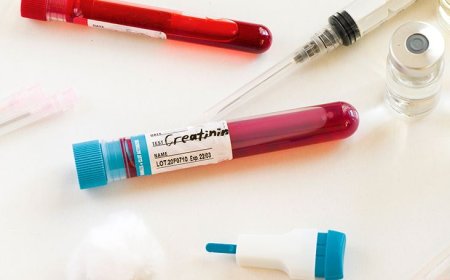
Platelet-Rich Fibrin (PRF) is the second generation of platelet concentrates following PRP (Platelet-Rich Plasma). It involves drawing a small amount of your blood, which is then spun in a centrifuge at a lower speed than PRP to isolate a richer concentration of platelets, white blood cells, fibrin, and stem cellsall essential components for natural healing.
Unlike PRP, PRF is 100% natural, as it does not require anticoagulants or additives. This means your body receives a purer and more potent regenerative solution.
How PRF Works
The platelets and fibrin in PRF slowly release growth factors over time, encouraging the bodys natural healing response. When injected or applied topically, PRF stimulates collagen production, improves tissue regeneration, and enhances blood flowleading to visibly improved skin texture, tone, and hair growth.
Popular Applications of PRF Therapy
1. Facial Rejuvenation
PRF is commonly used to reduce signs of aging such as fine lines, wrinkles, and under-eye hollows. It improves skin elasticity, evens out complexion, and restores a youthful glowall without synthetic chemicals.
2. Hair Restoration
In patients experiencing hair thinning or early-stage hair loss, PRF injections can reactivate dormant hair follicles and increase hair density. Since it uses your own biological material, it poses minimal risk of allergic reaction or rejection.
3. Skin Healing and Acne Scarring
PRF accelerates wound healing and can be used in conjunction with microneedling or laser treatments to treat acne scars, surgical scars, or other skin imperfections.
PRF vs. PRP: Whats the Difference?
While both PRF and PRP use your bloods platelets for regeneration, the key differences are:
-
Concentration: PRF contains higher levels of platelets, leukocytes, and fibrin.
-
Release Time: PRF releases growth factors over 710 days, whereas PRP releases them rapidly within hours.
-
No Additives: PRF is completely natural, while PRP requires anticoagulants to prevent clotting.
These differences make PRF a longer-lasting and more biocompatible treatment option.
What to Expect During the Procedure
A PRF treatment typically takes less than an hour:
-
A small sample of your blood is drawn.
-
The sample is processed in a centrifuge.
-
The PRF concentrate is either injected into targeted areas or used in combination with microneedling or dermal fillers.
-
Minimal downtime is expected, and mild swelling or redness may occur for 12 days.
Benefits of PRF Treatment
-
All-natural and chemical-free
-
Minimal risk of side effects
-
Stimulates collagen production
-
Enhances skin texture and tone
-
Encourages hair regrowth
-
Safe for all skin types
Is PRF Treatment Right for You?
PRF is ideal for individuals looking for a natural, non-surgical alternative to facial rejuvenation and hair restoration. Its especially suitable for those who prefer holistic approaches or have sensitivities to traditional cosmetic injectables.
However, it may not be effective for severe skin laxity or advanced hair loss. Consultation with a qualified aesthetic practitioner is essential to determine the best course of treatment.
Final Thoughts
PRF treatment represents a cutting-edge step toward natural aesthetic medicine, offering a safe and effective way to refresh your appearance without synthetic products or surgery. As technology advances and awareness grows, PRF is poised to become a cornerstone of modern skincare and hair health.