

















Phyang Monastery: A Spiritual Journey into the Heart of Ladakh
Discover the spiritual charm of Phyang Monastery in Ladakh. Uncover its serene ambiance, rich heritage, and peaceful location nestled in the majestic Himalayas of northern India.
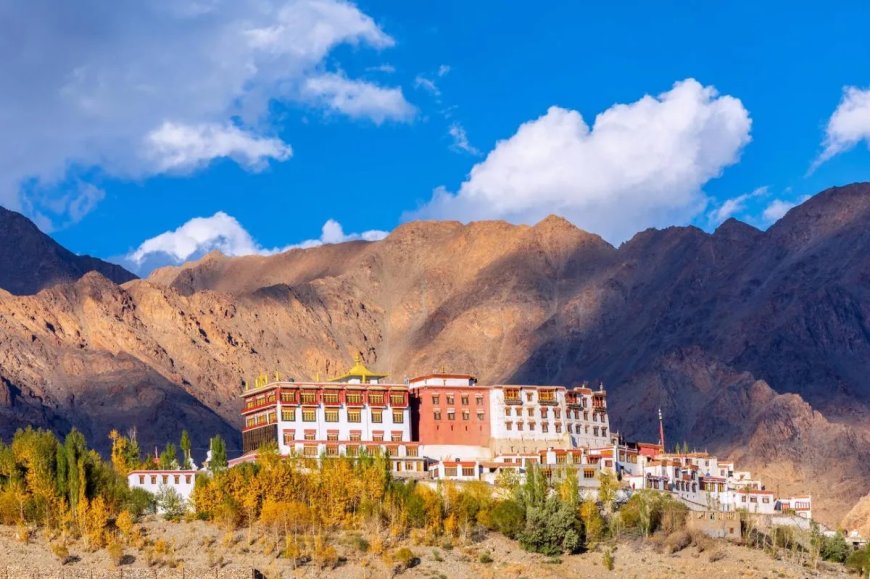
Tucked away in the rugged terrains of northern India, Ladakh is often called The Land of High Passes. It is a region defined by its stark landscapes, dramatic mountains, and deeply rooted spiritual traditions. Amid the quiet valleys and wind-swept plateaus lies Phyang Monastery, a tranquil Buddhist haven located about 16 kilometers west of Leh. Known for its ancient art, vibrant festivals, and peaceful ambiance, the monastery stands as one of the most revered religious centers in the region.
As you make your way through the winding roads that lead to Phyang village, the sight of the monastery perched on a hilltop captures your heart even before you arrive. This spiritual site is not only a place of worship but also a historical monument that tells tales of faith, culture, and resilience.
The Founding and History of Phyang Monastery
Phyang Monastery dates back to the early 16th century and is associated with the Drikung Kagyu school of Tibetan Buddhism. According to local history, it was founded in 1515 by Chosje Damma Kunga during the rule of King Tashi Namgyal. The monastery was constructed following a divine vision and soon became a vital center for Buddhist learning and meditation.
Unlike many other monasteries in Ladakh that belong to the Gelug school, Phyangs association with Drikung Kagyu sets it apart, lending a different spiritual character to its teachings and rituals. Throughout the centuries, the monastery has stood resilient against time, preserving both its architectural beauty and religious significance.
The monastery complex houses numerous sacred shrines and relics, including ancient thangkas (Buddhist paintings on cloth), murals, and statues of revered lamas. Its walls whisper stories of monks who dedicated their lives to the pursuit of enlightenment, and its halls echo the chants that have been sung for generations.
Architecture and Art of Phyang Monastery
The moment you step into the monastery grounds, you're enveloped in a sense of calm and reverence. The main assembly hall, or Dukhang, is a fine example of traditional Tibetan architecture. Painted in earthy reds and yellows, it features wooden beams, intricately carved doorways, and colorful murals that depict scenes from Buddhist mythology.
Inside the hall, rows of prayer wheels, butter lamps, and ritual drums enhance the spiritual ambiance. The monastery is home to an array of ancient paintings and scrolls, many of which date back hundreds of years. These artifacts offer insight into the religious and artistic expressions of the Ladakhi people.
What makes the art at Phyang unique is its blend of spiritual symbolism and regional influences. Youll find dragons, deities, mandalas, and historical depictions all beautifully arranged within the temple walls. Every brushstroke seems to carry a meaning, telling stories that are both cosmic and deeply personal.
Spiritual Importance and Daily Life at the Monastery
Phyang Monastery is not merely a historical siteits a living, breathing institution that continues to thrive. It is home to a community of monks who carry on the centuries-old traditions of prayer, meditation, and education. Every morning, the sound of the gong reverberates across the hills as the monks gather for their daily prayers.
Visitors often witness these sacred rituals, observing the discipline, devotion, and tranquility that define monastic life. Many travelers who seek peace and clarity come here to meditate or simply sit in silence among the monks. Even a brief stay at the monastery can be a deeply enriching spiritual experience.
One of the key attractions is the annual Phyang Tsedup Festival, usually held in the summer. During this event, monks perform sacred Cham dances in colorful masks and robes, reenacting ancient legends and spiritual teachings. This festival draws locals and tourists alike, creating a vibrant display of faith and culture.
The Natural Beauty Surrounding Phyang Monastery
While the monastery itself is a marvel, its location is equally enchanting. Phyang is set against a backdrop of arid hills and snow-capped peaks, offering breathtaking views of Ladakhs raw and untouched landscape. The silence is profound, broken only by the gentle wind or the occasional prayer bell.
From the monasterys elevated position, one can gaze out over the expansive valley below. The clear blue skies, crisp mountain air, and wide-open spaces create the perfect setting for introspection. It is not uncommon for visitors to describe their time here as transformative, touched by the serenity of the Himalayas.
Nature walks around the monastery can be equally rewarding. You may come across herds of yaks grazing quietly or wildflowers blooming in unexpected patches. For photographers, this location offers stunning compositionssunrise over the mountains, monks in meditation, or the vibrant details of a temple door.
Getting to Phyang Monastery and Travel Tips
Reaching Phyang Monastery is relatively simple for those visiting Leh. It is just a short drive from the town, making it an ideal half-day excursion. Roads are accessible throughout the year, though the summer months (May to September) are considered the best time to visit due to favorable weather conditions.
When planning a trip, it's advisable to start early in the day, as the lighting is perfect for photography and the monastery is quieter in the mornings. Wearing modest clothing is recommended out of respect for the monastic environment. Visitors should also maintain silence in prayer halls and ask for permission before taking photos inside.
Though the village of Phyang is small, some homestays and guesthouses are available, offering a chance to interact with locals and learn about their lifestyle. Sharing a cup of butter tea or a meal of thukpa (noodle soup) adds warmth to the overall experience.
Conclusion: A Peaceful Retreat in the Mountains
Phyang Monastery is more than just a tourist destinationit is a place where history, spirituality, and nature come together in harmony. Whether you are a devout Buddhist, a curious traveler, or someone in search of inner peace, the monastery opens its doors to all with quiet dignity.
Visiting this hidden gem allows one to step away from the chaos of everyday life and immerse in something timeless and pure. With its sacred chants, ancient art, and majestic surroundings, Phyang Monastery stands as a shining example of Ladakhs enduring spiritual heritage.
Its a journey worth takingnot just to witness a beautiful monument, but to feel its soul.