



















Managing Cerebral Palsy Symptoms with Muscle Relaxant Baclofen
Learn how muscle relaxant Baclofen helps manage Cerebral Palsy symptoms like muscle stiffness.

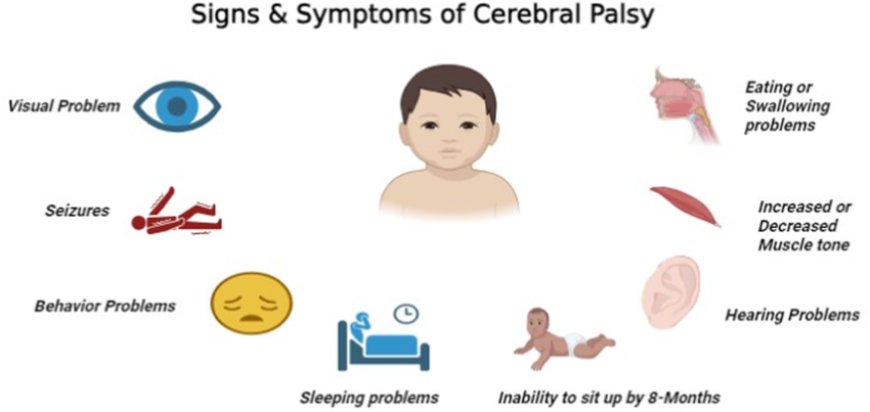
Cerebral Palsy (CP) is a condition that affects movement, muscle tone, and posture. It happens when a part of the brain that controls movement is damaged, often before or during birth. One of the most common Cerebral Palsy symptoms is muscle stiffness, also called spasticity. This makes it hard for people to move freely, causing discomfort and difficulty with daily activities.
In New York, many families are looking for simple, effective ways to manage Cerebral Palsy symptoms, especially when it comes to reducing muscle tightness. One commonly used treatment is Baclofen, a muscle relaxant that has helped many patients with CP. In this blog, well explain how Baclofen works, how it can help with muscle stiffness, and what families in New York should know about using it safely.
What Are the Main Cerebral Palsy Symptoms?
Cerebral Palsy affects people in different ways. Some have mild symptoms, while others need help with most daily tasks. Common Cerebral Palsy symptoms include:
-
Muscle stiffness or tightness (spasticity)
-
Muscle weakness
-
Poor balance or coordination
-
Trouble walking or using hands
-
Involuntary movements
-
Joint problems due to tight muscles
In children, these symptoms often show up as delays in sitting, crawling, or walking. In adults living with CP, muscle stiffness may cause pain, difficulty moving, or reduced independence.
Why Muscle Stiffness Needs Attention
Muscle stiffness is more than just discomfort. It can lead to other health problems if not managed properly, such as:
-
Joint contractures (permanent shortening of muscles)
-
Painful spasms
-
Difficulty using limbs
-
Impaired growth in children
-
Decreased ability to walk or perform daily activities
Thats why its important to treat muscle stiffness early and effectively. For many, Baclofen is one of the best-known medicine for muscle stiffness related to Cerebral Palsy.
What Is Baclofen?
Baclofen is a prescription muscle relaxant used to treat spasticity. It works by calming the nerves in the spinal cord that send signals to the muscles. When those signals are too strong, the muscles become tight and overactive. Baclofen helps reduce this overactivity.
Its often given as:
-
Oral tablet (Baclofen 10mg, 20mg, etc.)
-
Intrathecal pump (for severe cases)
For people with Cerebral Palsy symptoms like stiff or tight muscles, the oral tablet is usually the first option doctors try.
How Baclofen Helps Manage Cerebral Palsy Symptoms
Baclofen helps people with CP by:
-
Reducing muscle tightness and spasms
-
Making it easier to stretch and move the limbs
-
Improving posture and balance
-
Supporting physical therapy and exercise
-
Reducing pain from tight muscles
Many children and adults in New York who deal with muscle stiffness take Baclofen daily to help manage their symptoms and improve quality of life.
Dosage and Use of Baclofen
Baclofen is usually started at a low dose, such as Baclofen 10mg, and increased slowly based on how the person responds.
How to take Baclofen tablets:
-
Take with food to avoid stomach upset
-
Follow your doctors scheduleusually 2 to 4 times a day
-
Do not skip or stop without medical advice
-
Never increase the dose on your own
Because everyones condition is different, your doctor will decide the right amount of Baclofen needed to reduce Cerebral Palsy symptoms safely.
Common Side Effects of Baclofen
Like all medicines, Baclofen can cause side effects. These are usually mild when the dose is adjusted slowly.
Possible side effects:
-
Drowsiness or sleepiness
-
Dizziness or lightheadedness
-
Weak muscles
-
Nausea
-
Headache
If side effects are too strong or last too long, talk to your doctor. Sometimes, lowering the dose or changing the schedule helps.
Long-Term Use of Baclofen
Many patients with Cerebral Palsy take Baclofen for months or years. With regular check-ups and careful use, Baclofen remains an effective medicine for muscle stiffness in long-term treatment.
However, stopping Baclofen suddenly is not safe. Always talk to a doctor before stopping or reducing the dose. Your body may need time to adjust.
Combining Baclofen with Physical Therapy
Taking Baclofen tablets can make physical therapy easier and more effective. When muscle stiffness is reduced, the body moves more freely. Therapists in New York often recommend stretching and movement exercises for patients on Baclofen.
This combined approach helps:
-
Improve range of motion
-
Build strength
-
Prevent contractures
-
Support independence with daily tasks
If you're living in New York and managing Cerebral Palsy symptoms, ask your care team about how Baclofen and therapy can work together.
Final Thoughts
Cerebral Palsy symptoms like muscle stiffness can affect daily lifebut they can be managed. Baclofen, a trusted muscle relaxant, has helped many children and adults in New York move more freely and feel more comfortable.
Whether you are a parent, caregiver, or adult patient, talk to your healthcare provider about whether Baclofen tablets are right for your situation. Combined with the right therapy plan, this medicine for muscle stiffness can be a key part of long-term care for Cerebral Palsy.