



















Learn Arabic Language: A Complete Guide for Beginners
Learning the Arabic language can open doors to new cultures, travel opportunities, and career paths while allowing you to connect with millions of people worldwide.

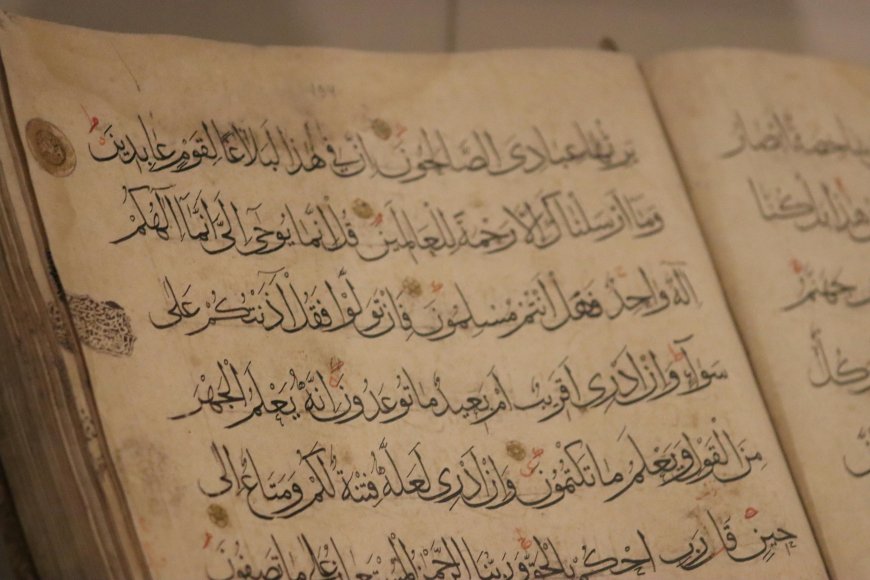
Learning the Arabic language can open doors to new cultures, travel opportunities, and career paths while allowing you to connect with millions of people worldwide. Whether you want to read the Quran with understanding, pursue studies in Middle Eastern countries, or add a valuable skill to your resume, Arabic is a language worth learning.
In this guide, you will discover why Arabic is important, how you can learn it step-by-step, and practical strategies to make your learning efficient and enjoyable.
Why Learn the Arabic Language?
Arabic is spoken by over 420 million people worldwide, making it one of the most spoken languages globally. It is the official language in more than 25 countries and is one of the six official languages of the United Nations.
Learning Arabic can help you:
-
Access a rich cultural heritage in literature, poetry, and philosophy.
-
Expand business opportunities in the Middle East and North Africa.
-
Understand Islamic texts in their original form if you are interested in religious studies.
-
Enhance travel experiences in Arabic-speaking countries, allowing deeper cultural connections.
Challenges of Learning Arabic
Arabic has unique challenges for English speakers, such as:
-
A different script written from right to left.
-
Sounds that may not exist in English.
-
A rich vocabulary and various dialects.
However, with consistent effort and the right strategies, these challenges can be overcome.
Understanding Arabic Dialects vs. Modern Standard Arabic (MSA)
Before you start, it is essential to know the difference between Modern Standard Arabic (MSA) and dialects:
-
MSA is used in formal settings, news, and books across the Arab world.
-
Dialects like Egyptian, Levantine, or Gulf Arabic are used in daily conversations and vary by region.
For beginners, it is advisable to start with MSA to build a strong foundation, then learn a dialect based on your interest or travel plans.
Step-by-Step Guide to Learn Arabic Language
1?? Start with the Arabic Alphabet
The first step is to learn the Arabic script and pronunciation. The Arabic alphabet consists of 28 letters, and learning to recognize, read, and write these letters is crucial for your journey.
Practice writing each letter daily, learn the different forms of each letter (initial, medial, final, and isolated), and get comfortable with reading simple words.
2?? Build Basic Vocabulary
Begin with common words and phrases used in daily conversations:
-
Greetings: ?????? ????? (Peace be upon you)
-
Thank you: ????
-
Yes/No: ??? / ??
Use flashcards (physical or apps like Anki) to memorize new words and phrases efficiently.
3?? Learn Basic Grammar
Arabic grammar may feel different initially, but understanding it will help you form sentences:
-
Learn noun-adjective agreements.
-
Understand the use of definite articles (??).
-
Learn pronouns and basic verb conjugation.
Focus on understanding sentence structure while learning new vocabulary to apply them in context.
4?? Practice Listening and Speaking
Listening to Arabic regularly will help you get used to the sounds and rhythm of the language. You can:
-
Listen to Arabic podcasts and news.
-
Watch Arabic cartoons or YouTube channels with subtitles.
-
Repeat phrases aloud to improve pronunciation.
Speaking regularly, even if you make mistakes, will build your confidence. Language exchange platforms like Tandem or HelloTalk can connect you with native Arabic speakers for practice.
5?? Read and Write in Arabic Daily
Reading simple texts such as childrens books, short stories, or Islamic texts with translation will improve your comprehension. Practice writing short sentences and gradually increase the complexity.
Maintaining a daily journal in Arabic, even with simple sentences, can accelerate your writing and vocabulary retention.
6?? Use Arabic Learning Apps
Apps like Duolingo, Memrise, Rosetta Stone, and Drops can make learning interactive and structured. Use these apps to complement your learning, not replace focused study with books and structured lessons.
7?? Join an Arabic Language Class
While self-learning is valuable, joining a structured class will provide guidance, personalized feedback, and accountability. Look for qualified teachers who focus on conversational Arabic and real-life usage.
If you live in Gujarat, you can find the best learn arabic class in ahmedabad to accelerate your learning with personalized support.
Practical Tips to Stay Consistent
? Set Realistic Goals: Decide whether you want to learn for travel, religious study, or professional reasons, and set your goals accordingly.
? Practice Daily: Consistency, even if it is just 20 minutes a day, is better than sporadic long sessions.
? Immerse Yourself: Change your phones language settings to Arabic, label household items with Arabic names, and try thinking in Arabic.
? Record Yourself: Listening to your recordings will help you notice pronunciation errors and track your progress.
? Stay Motivated: Remember why you started. Keep a vision board with your goals, whether its traveling to Egypt, reading Arabic literature, or watching Arabic dramas without subtitles.
Resources for Learning Arabic
Here are some helpful resources to guide your Arabic learning journey:
? Books:
-
Alif Baa for alphabet and basic vocabulary.
-
Al-Kitaab fii Taallum al-Arabiyya for structured learning.
? Podcasts:
-
ArabicPod101
-
Language Transfer Arabic
? YouTube Channels:
-
Learn Arabic with Maha
-
ArabicPod101
? Apps:
-
Duolingo
-
Memrise
-
Anki for flashcards
? Websites:
-
Madinah Arabic
-
Arabic Online
Final Thoughts
Learning Arabic is a rewarding journey that requires dedication, patience, and practice. It not only helps you connect with millions globally but also allows you to appreciate a rich cultural and literary heritage. By starting with the basics, building vocabulary, practicing regularly, and using the right resources, you can learn the Arabic language confidently.
Remember, learning a language is a marathon, not a sprint. Embrace your mistakes as part of the process, stay curious, and celebrate your small victories along the way.