
















How to Start a Food Delivery Business in 2024: A Complete Guide
Learn how to start a profitable food delivery business in 2024. From market research to launch, plus how Enatega simplifies the entire process.


The food delivery industry has transformed from a convenience service into a necessity for millions of consumers worldwide. With the global online food delivery market expected to reach $320 billion by 2029, entrepreneurs have a massive opportunity to build profitable businesses in this space.
Starting a food delivery business might seem complex, but with the right approach and tools, you can launch a successful platform that connects hungry customers with their favorite restaurants. This guide will walk you through every step of the process, from initial market research to scaling your operations.
Understanding the Food Delivery Market

Current Market Trends
The food delivery sector continues to experience unprecedented growth. Consumer behavior has shifted permanently toward convenience-focused dining options. Remote work culture has sustained demand for delivery services, while busy lifestyles drive customers to seek quick meal solutions.
Several key trends are shaping the industry:
Ghost kitchens are becoming increasingly popular, allowing restaurants to operate delivery-only locations without traditional dining spaces. This model reduces overhead costs while expanding reach.
Sustainability concerns are influencing consumer choices. Customers increasingly prefer platforms that offer eco-friendly packaging and support local businesses.
Technology integration has become essential. Features like AI-powered recommendations, real-time tracking, and contactless delivery are now standard expectations rather than premium features.
Future Growth Predictions
Industry analysts project continued expansion across multiple segments. Grocery delivery, alcohol delivery, and specialty food categories show particularly strong growth potential. Rural markets remain underserved, presenting opportunities for targeted expansion.
The rise of subscription-based meal services and corporate catering solutions creates additional revenue streams beyond traditional restaurant delivery.
Essential Steps to Launch Your Food Delivery Business
Conduct Thorough Market Research
Before investing time and resources, you need to understand your local market dynamics. Start by identifying your target audience and their specific needs.
Analyze your competition by examining existing delivery platforms in your area. Study their pricing models, delivery times, restaurant partnerships, and customer reviews. Look for gaps in service that your business could fill.
Define your niche to differentiate your platform. Consider focusing on specific cuisine types, dietary restrictions, or underserved geographic areas. A clear niche helps you craft targeted marketing messages and build a loyal customer base.
Survey potential customers to understand their pain points with current delivery options. Ask about preferred delivery times, acceptable wait periods, and desired features. This research will guide your business strategy and help you prioritize platform development.
Develop a Comprehensive Business Plan
A solid business plan serves as your roadmap and helps attract investors or secure funding.
Financial planning should include startup costs, ongoing operational expenses, and revenue projections. Factor in technology development, marketing budgets, staff salaries, and insurance costs. Plan for at least 12-18 months of operating expenses before expecting profitability.
Operations strategy must address order processing, delivery logistics, and customer service protocols. Decide whether you'll employ delivery drivers directly or work with independent contractors. Consider peak hours, weather contingencies, and quality control measures.
Marketing approach should outline how you'll attract both restaurants and customers to your platform. Develop strategies for launch campaigns, ongoing promotion, and customer retention programs.
Navigate Legal Requirements
Food delivery businesses face various regulatory requirements that vary by location.
Business licensing typically requires registering your company, obtaining a business license, and securing appropriate insurance coverage. Liability insurance is particularly important given the risks associated with food handling and delivery operations.
Food safety regulations may apply depending on your business model. If you're handling food directly or operating ghost kitchens, you'll need food handler permits and health department approvals.
Employment law compliance becomes crucial when hiring delivery personnel. Understand the classification differences between employees and independent contractors, along with associated tax obligations and benefits requirements.
Build Your Technology Infrastructure
Technology forms the backbone of any successful food delivery business. Your platform needs to seamlessly connect customers, restaurants, and delivery drivers while processing payments and managing orders.
Core platform features should include user-friendly mobile apps for customers and restaurant partners, a robust admin dashboard for managing operations, and real-time order tracking capabilities. Payment processing integration and customer support tools are equally essential.
Scalability considerations become important as your business grows. Choose solutions that can handle increased order volumes without performance degradation. Cloud-based infrastructure often provides the flexibility needed for rapid scaling.
This is where Enatega becomes invaluable for aspiring food delivery entrepreneurs. Rather than building a platform from scratchwhich can take months and cost hundreds of thousands of dollarsEnatega provides a ready-made solution that includes all essential features.
How Enatega Simplifies Your Food Delivery Launch

Ready-Made Platform Solution
Enatega offers a comprehensive food delivery platform that functions like established apps such as Foodpanda and UberEats. The solution includes customer-facing mobile apps, restaurant partner dashboards, and delivery driver applications.
Time-to-market advantages are significant. Instead of spending 6-12 months developing custom software, you can launch your food delivery business within weeks using Enatega's pre-built platform.
Cost efficiency makes entrepreneurship more accessible. Custom app development typically costs $50,000-$200,000, while Enatega provides a fraction of that investment with proven functionality.
Key Features and Benefits
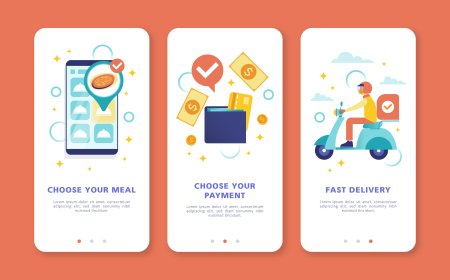
User-friendly interface ensures customers can easily browse restaurants, place orders, and track deliveries. The intuitive design reduces friction in the ordering process, leading to higher conversion rates and customer satisfaction.
Comprehensive order management streamlines operations for restaurant partners. Real-time order notifications, preparation time estimates, and inventory management tools help restaurants operate efficiently within your platform.
Real-time tracking keeps customers informed throughout the delivery process. GPS integration allows customers to monitor their driver's location and receive accurate delivery time estimates.
Multi-payment options accommodate different customer preferences. Credit cards, digital wallets, and cash-on-delivery options ensure you don't lose orders due to payment limitations.
Customization and Scalability
Enatega's platform can be customized to match your brand identity and specific market needs. Logo integration, color schemes, and feature modifications help create a unique customer experience.
Scalability features support business growth without requiring platform migration. The infrastructure handles increased order volumes, expanded restaurant networks, and additional delivery zones seamlessly.
Analytics and reporting provide insights into customer behavior, popular restaurants, and operational efficiency. These data-driven insights help you make informed decisions about marketing strategies and operational improvements.
Building Your Team
Hiring Delivery Personnel
Your delivery team directly impacts customer satisfaction and operational efficiency. Develop clear hiring criteria that prioritize reliability, local area knowledge, and customer service skills.
Driver onboarding should include vehicle requirements, safety training, and platform usage tutorials. Establish clear performance metrics and provide regular feedback to maintain service quality.
Compensation structure affects driver retention and motivation. Consider offering competitive base rates, performance bonuses, and flexible scheduling options to attract quality personnel.
Customer Support Infrastructure
Responsive customer support builds trust and encourages repeat business. Train support staff to handle common issues like order delays, incorrect deliveries, and payment problems.
Multi-channel support through phone, email, and in-app chat ensures customers can reach you through their preferred communication method. Quick response times and effective problem resolution create positive customer experiences.
Marketing Your Food Delivery Business
Restaurant Partnership Strategy
Success depends on building a strong network of restaurant partners. Approach local establishments with compelling value propositions that highlight increased revenue potential and expanded customer reach.
Onboarding support helps restaurants integrate smoothly with your platform. Provide training on order management, menu optimization, and promotional opportunities within your app.
Partnership incentives can accelerate restaurant adoption. Consider offering reduced commission rates for early adopters or restaurants that commit to exclusive partnerships.
Customer Acquisition Tactics
Launch campaigns should create awareness and drive initial downloads. Partner with local influencers, offer promotional discounts, and leverage social media advertising to reach your target audience.
Referral programs encourage existing customers to invite friends and family. Offer credits or discounts for successful referrals to build your user base organically.
Local marketing builds community connections. Participate in local events, sponsor community activities, and partner with local businesses to increase brand visibility.
Retention and Growth Strategies
Loyalty programs reward frequent customers and encourage repeat orders. Points-based systems, subscription discounts, and exclusive offers keep customers engaged with your platform.
Personalization improves customer experience through order history tracking, favorite restaurant suggestions, and customized promotions based on ordering patterns.
Measuring Success and Scaling Operations

Key Performance Indicators
Monitor essential metrics to gauge business health and identify improvement opportunities. Track customer acquisition costs, average order values, delivery times, and customer satisfaction scores.
Financial metrics like monthly recurring revenue, profit margins, and customer lifetime value provide insights into business sustainability and growth potential.
Operational metrics including order fulfillment rates, delivery accuracy, and restaurant partner satisfaction help optimize day-to-day operations.
Expansion Planning
Geographic expansion should follow data-driven analysis of market opportunities. Identify areas with high demand and limited competition for strategic growth.
Service diversification might include grocery delivery, alcohol delivery, or corporate catering services. These additions can increase revenue per customer and reduce dependency on restaurant orders.
Your Path to Food Delivery Success
Starting a food delivery business requires careful planning, solid execution, and the right technology foundation. The market opportunity remains strong, but success depends on understanding your local market, building efficient operations, and delivering exceptional customer experiences.
Enatega provides the technological foundation that removes many barriers to entry. With a proven platform that includes all essential features, you can focus on building restaurant partnerships, marketing your services, and growing your customer base rather than wrestling with technical development challenges.
The food delivery industry rewards businesses that prioritize customer satisfaction, operational efficiency, and strategic growth. With proper planning and the right tools, your food delivery business can capture a meaningful share of this expanding market.
Ready to launch your food delivery business? Enatega's ready-made platform can have you operational in weeks rather than months, giving you the competitive advantage needed to succeed in this dynamic industry.