


















How to Spot Water Ingress Before It Damages Your Basement
Learn how to detect water ingress early and protect your basement. Get expert prevention tips to avoid costly structural and moisture damage.

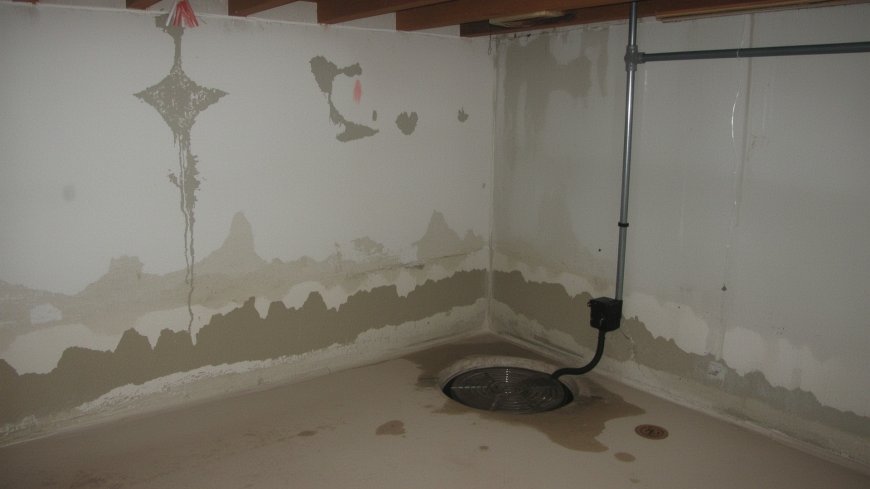
Basements are often the most vulnerable part of a property when it comes to water ingress. Whether used for storage, living space, or utility access, a damp or flooded basement can lead to serious structural problems, health risks, and costly repairs. Early action is keyearly detection of the warning signs can help you avoid long-term damage and keep your home dry and safe.
In this guide, well explore the causes of water ingress, how to identify it early, and smart prevention strategies to protect your basement and property value.
What Is Water Ingress?
Water ingress is the unwanted penetration of water into a buildings structure. In basements, this typically occurs when moisture seeps through walls, floors, or foundations due to poor drainage, damaged waterproofing, or rising groundwater.
Left untreated, it can lead to:
-
Structural weakening
-
Mould and mildew growth
-
Damage to stored belongings
-
Electrical hazards
-
Decreased property value
Knowing how to spot the signs early is essential for homeowners, landlords, and property managers alike.
Common Causes of Basement Water Ingress
Understanding where the water is coming from is the first step towards effective prevention. Here are the most common sources:
1. Poor External Drainage
Blocked or misdirected guttering, downpipes, or poorly graded soil can channel rainwater directly towards your homes foundation.
2. Cracks in Foundation Walls
Over time, small cracks can form in basement walls or floors. These provide an easy path for water to seep inespecially after heavy rainfall.
3. High Water Table
If your home is built in an area with a naturally high water table, underground water pressure can force moisture through the floor or walls.
4. Failed Waterproofing Systems
Outdated or damaged tanking systems and membranes may not hold up against years of wear and tear, making your basement vulnerable.
Early Detection: Signs to Watch For
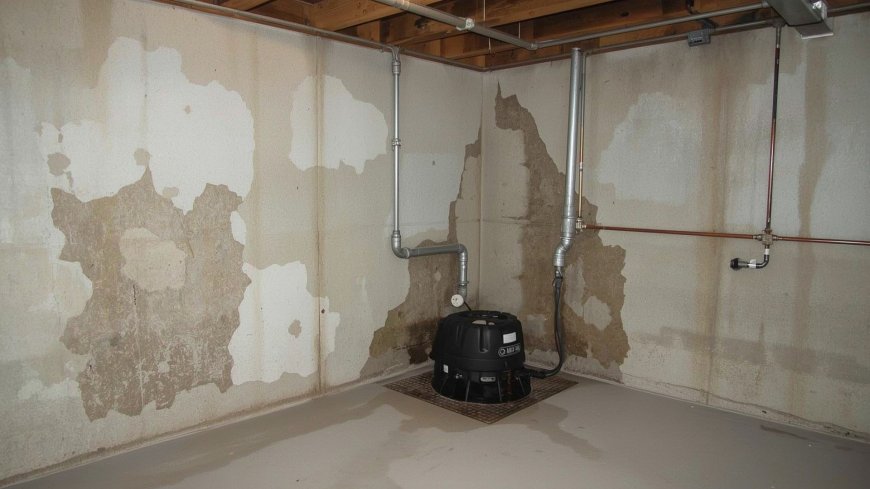
Spotting water ingress early allows for faster, cheaper repairs. Here are key indicators that water may be making its way into your basement:
1. Damp Patches on Walls or Floors
One of the earliest signs, these often appear darker than the surrounding surface and may feel cold or wet to the touch.
2. Musty Odours
Persistent musty smells are a strong clue that moisture is present, even if you cant see any visible signs.
3. Efflorescence
A white, powdery residue on walls is caused by water evaporating and leaving behind salts. It's a common signal of hidden water ingress.
4. Peeling Paint or Bubbling Plaster
Water damage can cause paint to lift and plaster to deteriorate. If you notice these changes, investigate further.
5. Mould or Mildew
Visible mould growth, especially in corners or behind stored items, is a health hazard and a clear sign of excess moisture.
6. Rust or Corrosion
Check metal fixtures or appliances for early rusting. This may indicate prolonged humidity or direct exposure to water.
Early detection is all about being proactive. Regular checks, especially after heavy rain or snow, can save you from future headaches.
Prevention Strategies That Work
Once youve identified potential risks, its time to put prevention measures in place. Heres how to minimise your chances of basement water ingress:
1. Improve Exterior Drainage
-
Keep gutters and downpipes clear of leaves and debris.
-
Ensure water is directed away from the propertys foundation.
-
Install or extend splash blocks and downspout extensions.
2. Waterproof Basement Walls
Use tanking slurry, bitumen paint, or internal waterproof membranes to create a barrier against water.
3. Seal Cracks Promptly
Inspect the basement for hairline cracks and use specialist sealants to stop water from finding its way in.
4. Install a Sump Pump
This device collects and pumps out excess water from your basement, especially useful in flood-prone or high water table areas.
5. Maintain the Landscape
Sloping the ground away from your home helps prevent surface water pooling near the foundation.
6. Consider a French Drain System
This underground drainage system redirects water away from your property and is highly effective for long-term prevention.
When to Call a Professional
While DIY fixes can help with minor damp issues, more serious cases of water ingress often require specialist help. If you notice persistent dampness, visible leaks, or worsening conditions despite taking action, its time to consult a damp proofing or waterproofing expert.
They can perform a detailed inspection, identify the root cause, and offer tailored solutions to ensure long-term protection for your basement.
Final Thoughts
Basement water ingress might seem like a minor inconvenience at first, but if left unchecked, it can spiral into costly structural repairs and health hazards. With routine inspections, awareness of the early warning signs, and effective prevention strategies, you can protect your property and maintain a safe, dry living environment.
Stay one step aheadearly detection and prompt action are your best tools in preventing water from invading your basement.