


















Simple Breakdown of Grounding System for Homeowners
Learn how a grounding system protects you and your electronics. Discover its role in electrical safety and why every home needs it.

Have you ever received a mild shock while touching a switch or appliance? Or wondered what keeps your electronics safe during a lightning storm? The answer often lies in something you dont even see the grounding system.
This often-overlooked electrical setup is one of the most critical elements in your home or workplace. Just like how a seatbelt keeps you safe in a car crash, a grounding system protects you from electrical faults. In this blog, well dive into everything you need to know in plain and simple language about how grounding works and why it matters.
What Is a Grounding System?
Asystem is a safety feature in electrical setups that connects parts of your electrical system to the earth. Its job is to safely carry unwanted electricity away from your home or devices in case of faults, short circuits, or lightning strikes.
Imagine your home's electricity system as a highway. Sometimes, electricity can take the wrong exit grounding brings it safely back on track.
Why Grounding Is Important
Grounding keeps you safe. It protects people from getting shocked and prevents fires caused by electrical surges or equipment faults. It also helps stabilize voltage levels, making sure your electronics dont get fried during power spikes.
In short: no grounding = no safety.
Key Components of a Grounding System
Every grounding includes a few important parts:
-
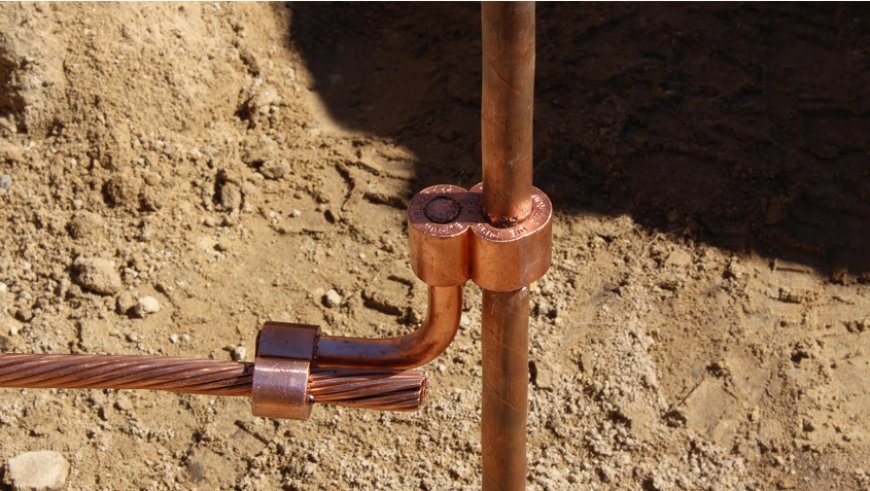
Ground Rod (Electrode): A metal rod placed into the earth.
-
Ground Wire: Connects your electrical panel to the rod.
-
Bonding Conductors: Connect metal parts of the system together.
-
Ground Bus Bar: A point where ground wires meet in the panel.
These parts work together to carry excess electricity safely into the earth.
How Grounding Works
Electricity always tries to find the easiest path to the ground. A system provides that path. During a fault like a broken wire or power surge the grounding wire carries the extra current into the earth, avoiding damage to people or electronics.
It's like a safety valve that releases pressure when things go wrong.
Types of Grounding
Different buildings may use different grounding methods, including:
-
Rod Grounding: Metal rods driven into the earth.
-
Plate Grounding: Flat plates buried underground.
-
Ufer Grounding: Concrete-encased grounding in foundations.
-
Water Pipe Grounding: Using metal water pipes to connect to ground.
Each system has its use depending on soil type, building structure, and local codes.
Grounding in Homes vs. Industrial Use
In homes, grounding are simpler and involve fewer components. But in factories or offices, where high voltage and sensitive equipment are present, systems are more complex and often include multiple rods, plates, or grids to ensure stability.
Both types share the same purpose: safety and system reliability.
Signs of Poor or Faulty Grounding
Not sure if your grounding is working right? Watch for these warning signs:
-
Shocks when touching appliances
-
Flickering lights
-
Frequent breaker trips
-
Burnt smells from outlets
-
Visible rust or corrosion near grounding rods
If you notice any of these, get a professional inspection.
Safety Benefits of Grounding Systems
A properly working grounding system offers many safety advantages:
-
Prevents electric shocks
-
Protects appliances from damage
-
Reduces fire risk
-
Manages voltage levels
-
Provides lightning protection
These benefits make grounding a no-brainer for any electrical system.
Installation Process
Grounding is best installed during the electrical setup of a home or building. Here's what happens:
-
A ground rod is driven into the earth.
-
A copper wire connects the rod to the main electrical panel.
-
Bonding is done for pipes and metallic parts.
-
Resistance testing ensures good contact with the earth.
A certified electrician ensures everything meets safety standards.
Costs Involved in Grounding Installation
Prices vary, but here's a general estimate:
-
Homes: $100 to $300
-
Commercial Buildings: $300 to $800
-
Industrial Sites: $1,000+
Cost depends on material, labor, and local regulations. Its a small price to pay for safety.
Common Grounding Mistakes to Avoid
Mistakes can turn a system useless. Common errors include:
-
Loose or corroded wires
-
Poor-quality rods
-
Incomplete bonding of all metal parts
-
Ignoring soil resistance
Proper installation and maintenance prevent these issues.
How to Maintain Your System
Regular maintenance keeps your system strong:
-
Inspect visible wires and rods once a year
-
Check for corrosion or wear
-
Test grounding resistance
-
Ensure all connections are tight
Annual check-ups can be done by electricians for peace of mind.
Surge Protection and Grounding
Grounding is the backbone of surge protection. Without a grounding path, surge protectors can't redirect the excess current. Whether it's a lightning strike or a utility spike, grounding ensures safe handling of that energy.
Think of it as a lightning rod for your entire electrical system.
Code Compliance and Regulations
Electrical codes in most countries require grounding for safety. In the U.S., the National Electrical Code (NEC) outlines clear grounding standards. Other regions follow similar codes. Non-compliance can lead to insurance problems, fines, or unsafe living conditions.
Always hire licensed professionals who follow the rules.
Final Thoughts
A grounding system isnt just technical its your first line of defense against electrical danger. Whether youre building a new home or updating an old one, grounding should be a top priority.
By understanding the basics, checking for warning signs, and doing regular maintenance, you ensure a safe and shock-free environment for your family or coworkers.
FAQs
1. Can I check my homes grounding myself?
You can do basic checks, but for full safety and testing, it's best to hire an electrician.
2. How long does a grounding rod last?
A properly installed rod can last 30+ years, but regular checks are essential.
3. Is a system the same as earthing?
Yes, grounding and earthing are often used interchangeably depending on the region.
4. Does every electrical device need grounding?
Not every device, but any device with metal parts or high power usage should be grounded.
5. Can a surge protector work without grounding?
No, surge protectors rely on grounding to safely divert voltage spikes.