










Brighten Your Event: Top Lighting Options to Transform Any Space
Brighten Your Event: Top Lighting Options to Transform Any Space

Lighting has the power to transform any event, turning ordinary spaces into unforgettable experiences. Whether you're hosting an elegant wedding, a corporate gala, or a lively birthday party, the right lighting doesn't just illuminateit sets the mood and enhances every detail. Its the silent storyteller that shapes how your guests feel from the moment they walk in.
With so many options available, choosing the perfect lighting can feel overwhelming. From soft uplighting to dramatic spotlights and dynamic LED displays, each choice brings its own flair. But how do you decide what works best for your event? By understanding the possibilities, you'll ensure your lighting not only complements your theme but elevates the entire experience.
Thoughts on Event Lighting Options
Event lighting provides a diverse range of possibilities, each suited to different needs and settings. You will find uplighting, a common choice, enhances walls and architectural elements by casting a glow that draws attention upward. Warm tones might create intimacy for weddings, while cool colours can offer modernity during corporate functions. The placement and brightness of uplights transform blank spaces into curated environments.
Spotlights focus on specific areas or objects. They often serve as tools for highlighting stages, performers, or centrepieces. When used effectively, this option ensures your audience directs their gaze exactly where it's intended. Adjustable beam widths increase flexibility, making spotlights useful across both large-scale conferences and small celebrations.
Ambient lighting is subtle and widely distributed. If your goal involves an inviting atmosphere, this type creates an even light field that minimises shadows. It can blend with surrounding decor, ensuring cohesion without overwhelming your theme. String lights, lanterns, and dimmable fixtures all contribute to ambient settings designed for relaxed receptions or open-air events.
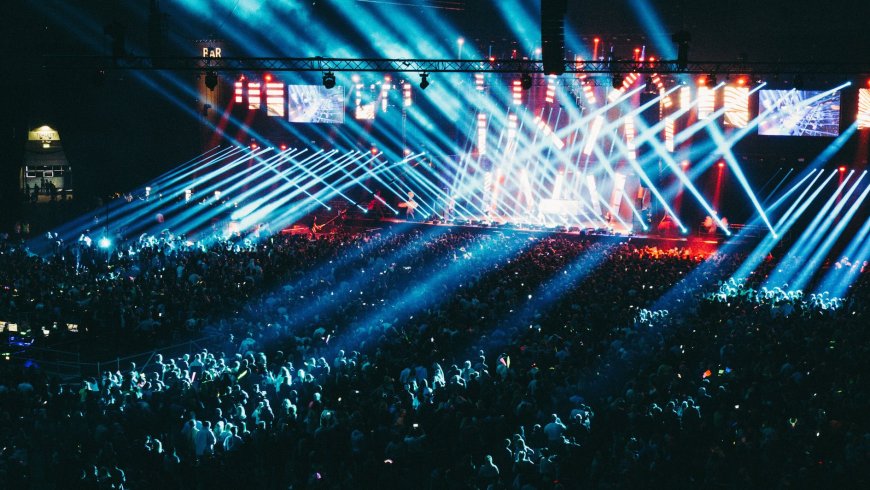
LED displays are versatile for dynamic effects. You will gain control over colours, patterns, and motion, energising events like concerts or product launches. These fixtures can synchronise with music to build immersive experiences. In cases needing high visual impact, LED panels or strips often redefine creative possibilities.
Moving lights provide fluidity and excitement. For occasions requiring movement across space like galas or theatrical performances, these fixtures introduce animation. Sweeping across dancefloors or spotlighting key moments, they add an element of unpredictability and energy to your event.
Decorative lighting layers detail over function. Chandeliers, neon signs, and fabric-wrapped bulbs double as decor. Their textures and structures elevate an events aesthetic, blending form with illumination. This option suits events seeking bespoke or visually artistic themes.
Each type, from practical to decorative, plays a role. Specific combinations typically suit different themes, so understanding these nuances ensures your choices support seamless integration into your events broader vision.
Types Of Event Lighting
Event lighting transforms spaces, sets moods, and enhances themes. Each type serves a specific purpose, tailored to your event's atmosphere.
Ambient Lighting
Ambient lighting creates a soft, even glow. It establishes the event's baseline mood, offering a comfortable and welcoming environment. You might find this lighting style achieved through ceiling fixtures, chandeliers, or recessed lights. It balances illumination across the venue, avoiding harsh shadows. For a wedding, you could opt for warm tones, while a corporate event might benefit from cooler colours. The subtlety of ambient lighting helps blend other types seamlessly, maintaining a cohesive aesthetic.
Task Lighting
Task lighting focuses light where needed for specific activities. Speeches, food stations, or presentations often require this precision. Pendant lights, desk lamps, or spotlights are common examples. By ensuring certain areas stand out, task lighting guides attention and boosts functionality. It works effectively when paired with dim or ambient lighting, emphasising key spaces without overwhelming the overall design. In the case that your event features different zones, you will benefit from clear lighting dedicated to each task.
Accent Lighting
Accent lighting highlights specific objects or features. You might use it to draw the eye to floral arrangements, stage decor, or architectural details. Techniques like uplighting, downlighting, and shadowing are widely employed here. LED strips or directional spotlights often serve this purpose. Accent lighting brings dramatic contrast, adding layers of depth to your design. When used sparingly, it creates focal points that elevate the overall visual impact without overpowering the atmosphere.
Key Features To Consider
Brightness And Intensity
Assessing brightness ensures your event's lighting aligns with its purpose. For large venues, high-intensity lighting can fill the space effectively, whereas smaller settings often benefit from softer illumination to create a more intimate atmosphere. You will find that mismatched brightness can distract attendees or underwhelm key moments. Think task-specific: accent lights might enhance dcor while vibrant beams energise dance floors. Using dimmers offers flexibility, adapting the lighting across different phases of your event.
Colour Temperature
Deciding on colour temperature helps convey the right mood. Warmer tones, typically 2700K to 3000K, offer a cosy, inviting glow, ideal for weddings or casual gatherings. Cooler hues, ranging from 4000K to 6500K, project a sleek, modern feel, suitable for corporate functions or product launches. In the case that your event spans distinct moods, blending warm and cool tones provides a balanced approach. Understanding which colour temperature supports your theme ensures coherence.
Energy Efficiency
Prioritising energy-efficient solutions reduces costs and limits environmental impact. LED fixtures consume significantly less electricity than traditional options like incandescent or halogen lights, often lasting up to 25,000 hours. You can reduce power demands by using products with energy ratings above A+. For large-scale events, integrating timers and sensors cuts unnecessary energy use, maintaining efficiency while creating a sustainable event environment.
Popular Lighting Technologies
LED Lighting
LED lighting offers versatility across event settings. These lights provide energy-efficient, long-lasting illumination and emit minimal heat, making them suitable for both intimate gatherings and large-scale productions. You will find that their colour-changing capabilities make them a favourite for decorative purposes. LED strips, panels, and spotlights can be programmed to create dynamic scenes, enhancing the mood and theme of your event. In cases requiring sustainability, LEDs reduce electricity consumption, aligning with eco-conscious goals. Their compact design enables use in tight spaces like stage edges or displays.
Halogen Lighting
Halogen lighting produces a bright, natural light that helps emphasise details. Commonly used in spotlights and floodlights, it works well for highlighting key event elements like staged performances or product displays. You might opt for halogens when colour accuracy is critical; their bright output replicates daylight, showcasing decor and focal points vividly. These lights might suit an event requiring an elevated warmth or dramatic ambiance. Note that halogens generate significant heat and consume more power when compared to LEDs, demanding proper planning for ventilation and energy requirements.
Smart Lighting Controls
Smart lighting controls integrate technology, ensuring seamless adjustments during events. Systems like DMX controllers or wireless apps let you manipulate brightness, colour, and movement with precision. You might consider them essential when coordinating complex setups that include synchronised lighting effects across multiple areas. With features like timers and motion-based triggers, smart lighting maximises efficiency. You will appreciate their ability to adapt to live changes, enabling quick transitions between themes or scenes. Advanced integration with music or visuals can elevate immersive experiences, particularly in concerts or interactive exhibits.
Some Tips For Choosing The Right Option
Sometimes the easiest option is to just go for lighting hire for events, however, if youre intent on doing it yourself, selecting the right event lighting will depend on aligning your requirements with the available options. You will uncover that factors such as venue size, atmosphere, and budget influence your decision significantly. Beginning with venue size, the spatial layout often determines the intensity and placement of lighting. Large venues might demand dynamic fixtures like moving heads, while smaller setups can benefit from intimate solutions like uplighting.
Atmosphere holds the key to the emotional impact of your lighting. Warm hues can create a welcoming tone for family-oriented events, while cooler tones lend themselves well to corporate environments. You can experiment with dimmers or lighting controls to adjust the ambience mid-event. Your choice of colour can also reflect the event's theme. A wedding, for instance, might incorporate soft pinks or golds, whereas blue or green could work for tech-focused presentations.
Budget shapes your selections, but you will find creative ways to optimise costs without sacrificing quality. LED fixtures reduce energy bills and offer customisable options without the upfront costs of complex systems. In the case that you need advanced control, investing in smart lighting systems might simplify adjustments. Hiring equipment can also prove economical for once-off events.
Consider the focal points of your event. What areas should guests eyes be drawn to You will want to use spotlights for stage shows or speeches and accent lighting for decorative features like floral arrangements or sculptures. Creating layers with a combination of ambient and task lighting provides depth to the overall design, helping balance functional illumination with visual appeal.
Ask yourself how interactive or adaptable the lighting needs to be. Motion effects, gobo projections, and LED displays enhance dynamic experiences like concerts or award shows. For events requiring flexibility, DMX controllers let you reconfigure settings on-the-go, achieving seamless transitions.
Your lighting's compatibility with other technologies should align with the broader event setup. Audio-visual synchronisation intensifies musical performances or keynote speeches, making coordination tools invaluable. Selecting fixtures that harmonise with these elements ensures a polished finish without technical risks.
Final Thoughts
Choosing the right lighting for your event is a powerful way to elevate the atmosphere and leave a lasting impression on your guests. By understanding the unique qualities of various lighting options and tailoring them to your event's needs, you can create a visually stunning and cohesive experience.
Always consider factors like venue size, mood, and budget to ensure your lighting choices align with your vision. Whether you're aiming for elegance, excitement, or intimacy, the right lighting design can transform your space and bring your event to life.